What is CPI analysis?
CPI analysis measures the average change over time in prices paid by urban consumers for a market basket of goods and services. It serves as the primary gauge for consumer inflation, tracking how daily living expenses shift month to month and year over year. The U.S. Bureau of Labor Statistics calculates these figures, providing the data that underpins monetary policy and market expectations.
In crypto market research, CPI data acts as a proxy for liquidity conditions. When CPI rises, it signals higher inflation, often prompting central banks to tighten monetary policy. This tightening reduces the amount of cheap capital available in the financial system. For crypto assets, which are highly sensitive to interest rate changes, this shift can suppress risk appetite and drive down valuations. Conversely, a falling CPI suggests cooling inflation, which can lead to looser policy and renewed capital flows into speculative assets.
How to analyze CPI data
Analyzing CPI requires looking beyond the headline number. Traders focus on the core CPI, which excludes volatile food and energy prices, to identify underlying inflation trends. The release schedule is equally critical; markets react sharply to the deviation between the actual figure and the consensus forecast. A higher-than-expected print often strengthens the dollar and pressures crypto prices, while a lower print can trigger rallies.
The impact extends beyond immediate price action. CPI figures influence Federal Reserve decisions on interest rates, which directly affect the cost of borrowing and the opportunity cost of holding non-yielding assets like Bitcoin. Understanding this chain reaction—CPI data to Fed policy to market liquidity—is essential for positioning in the crypto market. The latest 12-month C-CPI-U increase of 4.0 percent, as reported by the BLS, illustrates the persistent pressure that continues to shape investor sentiment.
Cpi analysis choices that change the plan
CPI analysis is the process of evaluating the Consumer Price Index to gauge inflation trends. It measures the average change over time in prices paid by urban consumers for a market basket of goods and services. For crypto market research, this data serves as a primary indicator of macroeconomic pressure, influencing liquidity, interest rates, and asset valuations.
However, relying on CPI figures requires navigating several tradeoffs. The index is an aggregate, meaning it masks significant variation across categories. It also operates with a lag, reporting data from the previous month. Understanding these limitations is essential for accurate market timing and risk assessment.
Headline vs. Core Inflation
Headline CPI includes all items, while Core CPI excludes volatile food and energy prices. Headline figures often trigger immediate market reactions due to their sensitivity to energy shocks. Core inflation provides a smoother trend line, helping investors distinguish between temporary price spikes and sustained inflationary pressure. For long-term crypto positioning, Core CPI often offers a more reliable signal of monetary policy direction.
Lag and Revision Risks
CPI data is released with a delay, typically reflecting the previous month’s activity. This lag means that by the time the data is public, market conditions may have already shifted. Also, initial estimates are frequently revised as more complete data becomes available. Traders must account for this uncertainty, recognizing that early reports are provisional and subject to change as the Bureau of Labor Statistics refines its calculations.
Basket Composition and Crypto Correlation
The CPI basket reflects consumer spending habits, weighted heavily toward housing, food, and healthcare. It does not directly include financial assets like cryptocurrencies. Therefore, the relationship between CPI and crypto is indirect, mediated through inflation expectations and real yields. When inflation rises, investors may seek crypto as a hedge, but only if they believe traditional stores of value are eroding faster.
Turn CPI research into a trading decision
CPI data does not move markets on its own; it moves them by forcing a reassessment of monetary policy. Your job is to translate the headline number into a probability shift for the Federal Reserve. A raw percentage change is just noise until you map it to the expected path of interest rates.
Start by stripping away the headline volatility. Core CPI (excluding food and energy) usually drives the initial market reaction, but the underlying trend matters more for sustained trends. Look at the three-month annualized rate to smooth out monthly blips. If core inflation is cooling but remains above 2%, the Fed will likely keep rates higher for longer. That is a bearish signal for risk assets like crypto.
Next, compare the actual release against the consensus forecast. The market has already priced in expectations. A 0.6% monthly rise is only significant if the market expected 0.4%. The "surprise" element is what triggers algorithmic selling or buying. Use a TechnicalChart to see how Bitcoin reacts to these specific surprise vectors over the last two years.
Finally, check the labor market context. The CPI rarely moves in isolation. If wages are rising alongside prices, the Fed has more justification to hike. If wages are stabilizing while CPI drops, the case for a pivot strengthens. This combination tells you whether the inflation shock is temporary or structural.
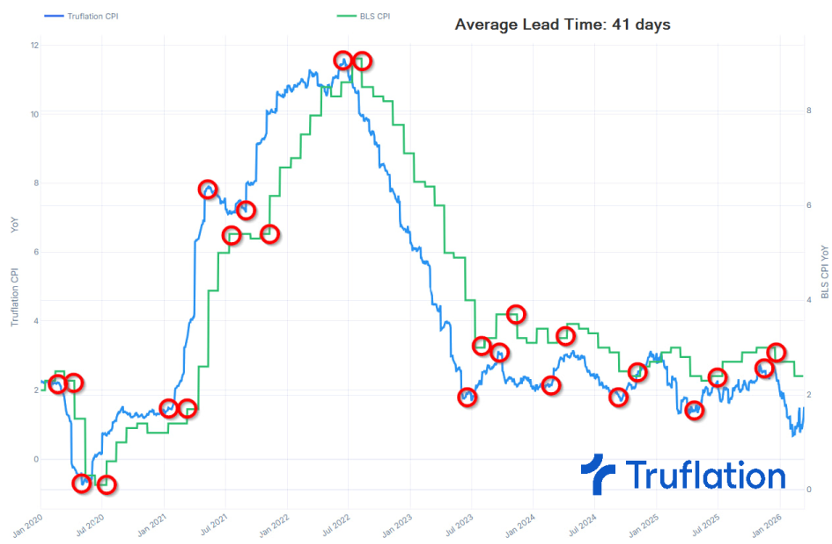
Ignore the headline number for a moment. Focus on Core CPI (ex-food and energy) to see the underlying inflation trend. Calculate the three-month annualized rate to filter out monthly noise. This gives you the true direction of price pressures.
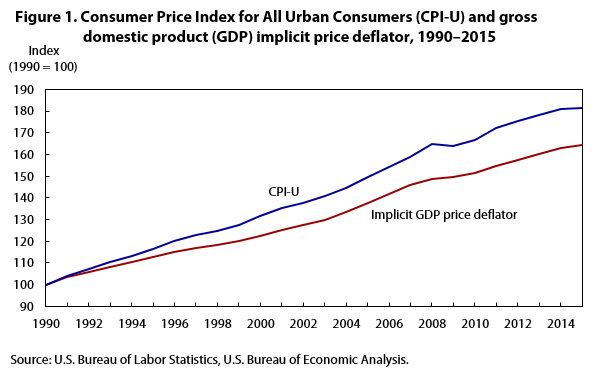
Compare the actual release against the Bloomberg or Reuters consensus forecast. The market has already priced in the expected number. Only the deviation—the surprise—triggers immediate volatility. A beat or miss of just 0.1% can shift rate-hike probabilities by several points.
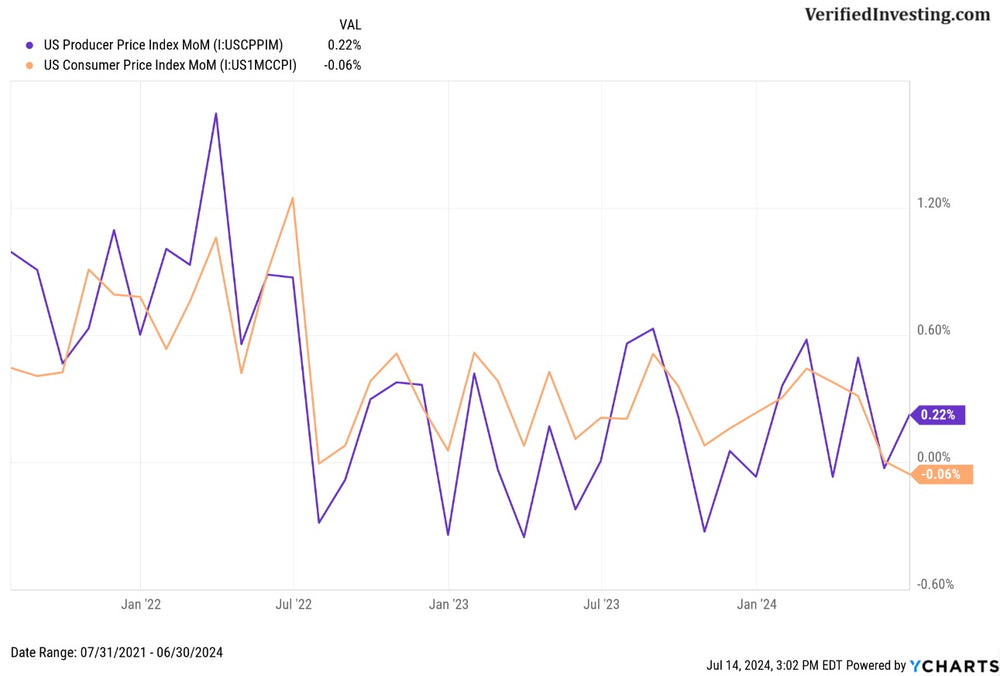
CPI rarely moves alone. Check if wage growth is fueling the inflation. Rising wages alongside high CPI suggest structural inflation, keeping the Fed hawkish. Stabilizing wages with falling CPI suggests a soft landing is possible, which is bullish for crypto.

Translate the inflation data into Federal Reserve actions. Use tools like the CME FedWatch Tool to see how the CPI release shifts the probability of the next rate decision. If the data supports a rate cut, risk assets like Bitcoin typically rally.


As an Amazon Associate, we may earn from qualifying purchases.
Identify misleading claims in crypto CPI analysis
New infrastructure tools promise faster data, but they often mask outdated assumptions. The Consumer Price Index (CPI) measures the average change over time in prices paid by urban consumers for a market basket of goods and services. When applied to crypto, this traditional metric can distort market signals if interpreted through a narrow lens.
A common mistake is treating CPI as a direct predictor of crypto prices. While inflation impacts interest rates and monetary policy, crypto markets react to liquidity and risk sentiment, not just consumer price trends. For example, a rising CPI might signal higher inflation, but if the Federal Reserve signals a pause in rate hikes, crypto assets often rally. Ignoring this nuance leads to weak trading options.
Another weak option is relying on headline CPI figures without adjusting for core inflation. Core CPI excludes volatile food and energy prices, offering a clearer view of underlying trends. In crypto research, using headline numbers can create false signals during temporary supply shocks. Always cross-reference with the Chained Consumer Price Index (C-CPI-U), which accounts for consumer substitution behavior.
To avoid these pitfalls, focus on real-time data sources and official releases from the Bureau of Labor Statistics. Use the following chart to track how macro indicators correlate with Bitcoin price action.
No comments yet. Be the first to share your thoughts!