
Why CPI data drives infrastructure strategy
Consumer Price Index (CPI) data is not just a headline number; it is the foundational input for infrastructure strategy. The Bureau of Labor Statistics (BLS) publishes these figures to track changes in the price level of a market basket of consumer goods and services. For planners, this data determines how much capital is needed to maintain real value over decades.
Infrastructure projects are long-term commitments. A highway or power grid built today must function for thirty years or more. Without adjusting for inflation, nominal budget allocations erode quickly. CPI adjustments ensure that the purchasing power of allocated funds remains consistent, preventing cost overruns caused by unexpected price spikes in labor or materials.
Official sources like the BLS and the International Monetary Fund (IMF) provide the standardized metrics required for these adjustments. They track everything from construction materials to energy costs. Using these primary sources ensures transparency and allows for accurate financial modeling. Relying on third-party estimates introduces unnecessary risk when official data is freely available.
The Consumer Price Index for All Urban Consumers (CPI-U) is the most common measure used in federal contracts and private long-term leases. It reflects the spending habits of nearly 80% of the U.S. population. By anchoring infrastructure budgets to CPI-U, organizations can hedge against volatility and ensure projects stay on track.
Essential CPI tools for accurate analysis
Building a reliable CPI analysis starts with choosing the right data sources. You need tools that integrate directly with official records from the Bureau of Labor Statistics (BLS) and the International Monetary Fund (IMF) to ensure your calculations reflect reality, not just estimates.
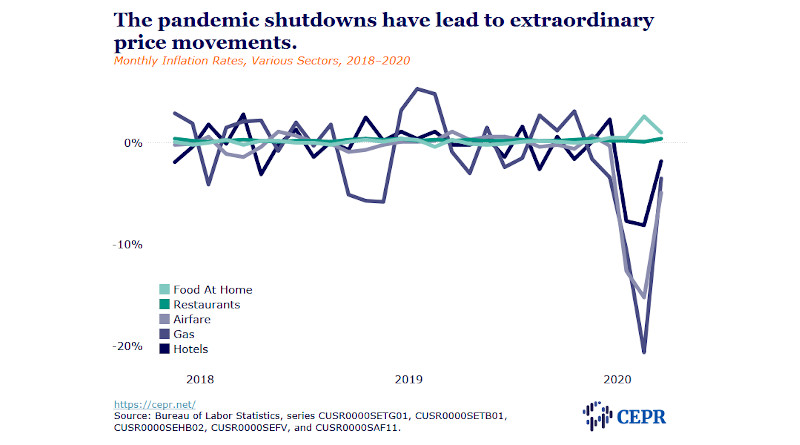
The Bureau of Labor Statistics remains the primary source for U.S. inflation data. Their Consumer Price Index reports are updated monthly and provide the granular detail needed for precise market research. For global comparisons, the IMF’s CPI manual offers standardized methodologies that help researchers align U.S. data with international benchmarks.
When selecting software, prioritize platforms that allow direct API access to these official datasets. This avoids the lag and potential errors introduced by third-party aggregators. Below is a comparison of the primary data sources used in professional CPI analysis.
| Source | Update Frequency | Geographic Coverage | Cost |
|---|---|---|---|
| BLS | Monthly | U.S. National & Metro Areas | Free |
| IMF | Monthly/Quarterly | Global | Free |
| Private Aggregators | Real-time | Varies | Subscription |
Building a robust CPI research infrastructure
Collecting consumer price data is only the first step; the real challenge lies in managing the sheer volume and complexity of that information. Without a disciplined technical infrastructure, raw price points can quickly become misleading noise. You need systems that can handle millions of transactions while maintaining the integrity required for official statistics.
Data pipelines and validation methods
The foundation of any reliable CPI study is a robust data pipeline. This isn't just about storage; it's about the flow of information from the point of collection to final analysis. Think of your data pipeline like a filtration system. It must catch errors in real-time, flagging outliers or missing entries before they contaminate the dataset. The World Bank’s CPI-ICP Guide emphasizes that practical suggestions for incorporating international comparison program (ICP) requirements should form the foundation of these processes [src-serp-8].
Validation methods act as the quality control layer. When you collect prices from thousands of outlets, human error is inevitable. Automated scripts should cross-reference entries against expected ranges and historical trends. For instance, if a grocery store reports a 50% drop in the price of milk overnight, the system should flag this for manual review rather than accepting it at face value. This layer of scrutiny ensures that the final index reflects true market movements, not data entry mistakes.
Source transparency and official standards
Transparency is non-negotiable in market research. Every data point must be traceable back to its source. This means maintaining detailed logs of where each price came from, when it was collected, and who collected it. The Federal Aviation Administration’s guide to product certification highlights the importance of defining communication and coordination protocols [src-serp-1]. While this refers to aviation, the principle applies equally to data governance: clear protocols prevent silos and ensure that everyone involved in the research process is aligned.
Relying on official sources like the Bureau of Labor Statistics (BLS) or the IMF provides a baseline for credibility. These organizations have established rigorous standards for data collection and validation. By aligning your infrastructure with these standards, you ensure that your CPI metrics are comparable and trustworthy. This doesn't mean you can't innovate, but your innovations should enhance, not replace, established best practices.
Top resources for CPI market research
Finding the right tools for CPI analysis comes down to matching your specific need—whether you are compiling raw data, interpreting official reports, or building your own models. The following resources cover the spectrum from foundational theory to practical application.
Official Guides and Manuals
For anyone serious about understanding how CPI is calculated, the International Monetary Fund’s Consumer Price Index Manual is the gold standard. It provides the theoretical framework and methodological details used by statistical agencies worldwide. It is dense, but it is the definitive source for concepts and methods.
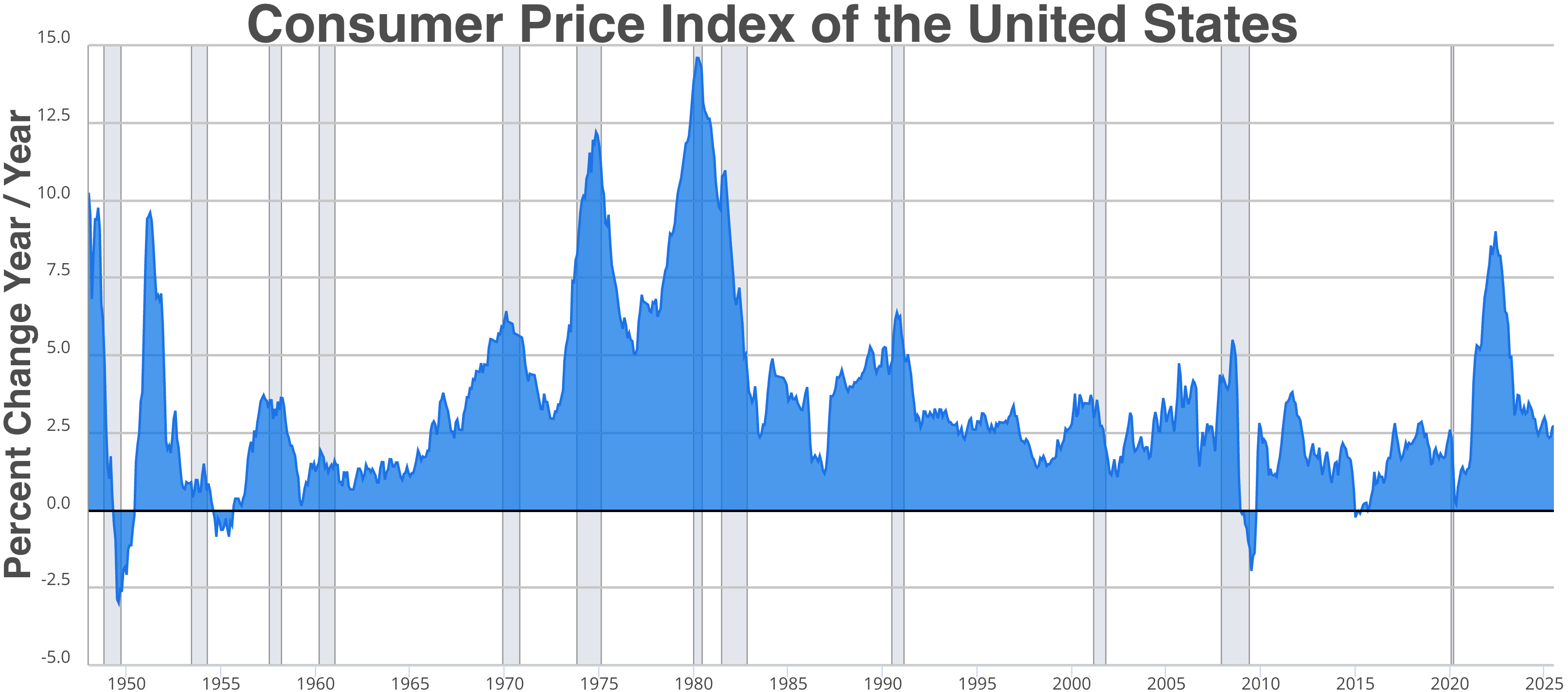
On the practical side, the Bureau of Labor Statistics (BLS) offers free training modules. While these are designed for field agents, they provide an excellent behind-the-scenes look at how data is collected and weighted. Completing these modules gives you a clearer picture of the data’s limitations and strengths than reading a summary article ever could.
Essential Books and Tools
The following books and resources are widely used by economists and analysts to deepen their understanding of inflation metrics and market research.


As an Amazon Associate, we may earn from qualifying purchases.
No comments yet. Be the first to share your thoughts!