Why real-time CPI data matters
The Consumer Price Index is the most closely watched gauge of inflation, but it moves at a glacial pace. The Bureau of Labor Statistics (BLS) collects data over weeks and releases the final index roughly a month after the period ends 1. For policymakers and long-term budget planners, this lag is acceptable. For DeFi protocols and macro traders, it is a liability.
In traditional finance, this delay is managed by holding cash or using Treasury Inflation-Protected Securities (TIPS), which adjust based on published BLS data 2. In decentralized finance, however, smart contracts execute instantly. A lending protocol that relies solely on monthly CPI prints cannot adjust interest rates or collateral factors in response to sudden inflation spikes. The result is a mispricing of risk that can lead to undercollateralized loans or inefficient capital allocation.
Chainlink CCIP bridges this gap by bringing near-real-time CPI data on-chain. Instead of waiting for the next monthly report, protocols can access daily or weekly CPI estimates derived from high-frequency price signals. This allows for dynamic adjustments in lending rates, stablecoin pegs, and derivatives pricing. The infrastructure shifts inflation tracking from a backward-looking administrative process to a forward-looking market signal.
How Chainlink CCIP bridges CPI data
Chainlink CCIP (Cross-Chain Interoperability Protocol) acts as the secure bridge between traditional economic data and decentralized smart contracts. It solves the fragmentation problem by allowing a single source of truth—official CPI data—to be pulled from trusted oracles and delivered reliably across multiple blockchain networks.
This mechanism ensures that applications on Ethereum, Arbitrum, or Polygon can all read the same inflation metrics without relying on disparate, unverified local feeds. The process follows a strict, auditable sequence to maintain data integrity from the source to the final consumer.
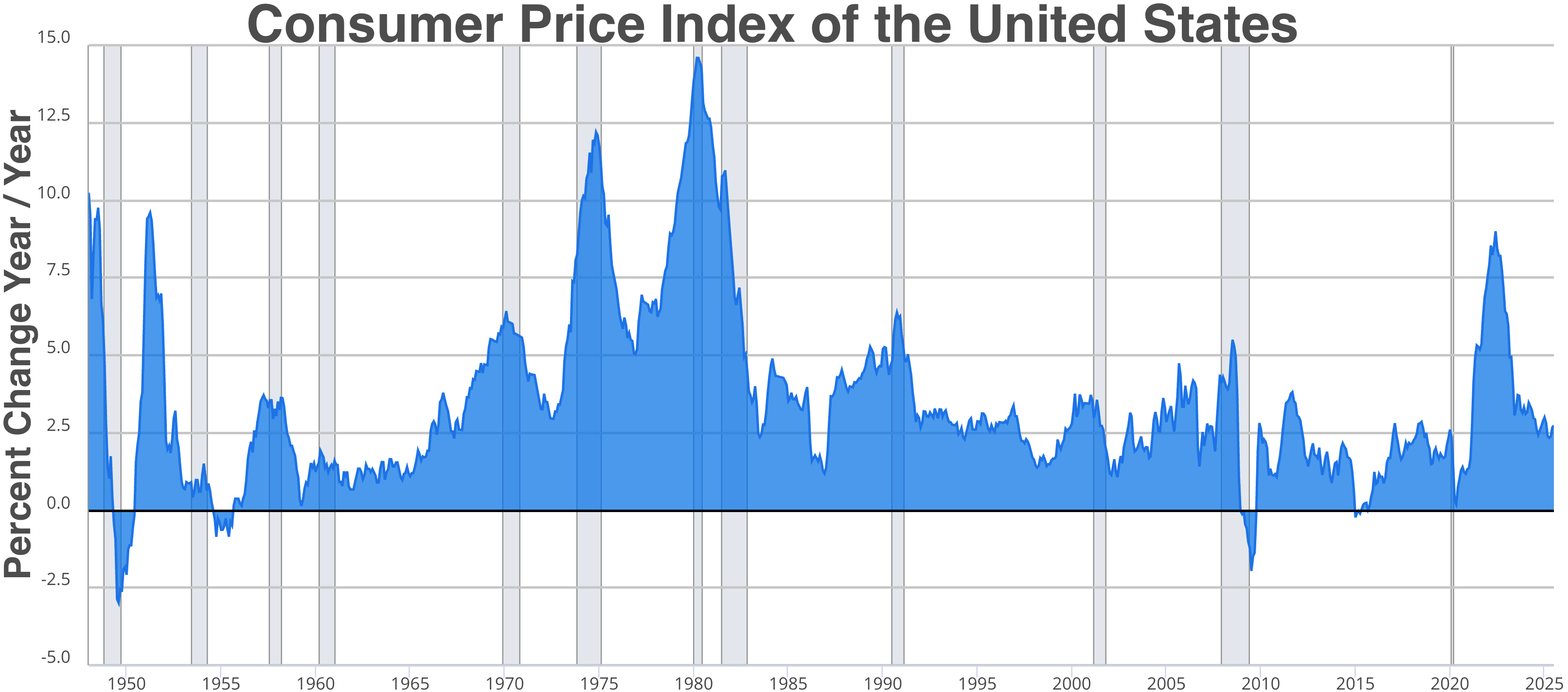



By standardizing this flow, CCIP allows developers to build inflation-protected financial products that work seamlessly across the multi-chain ecosystem. The result is a unified view of economic reality, where smart contracts on any chain can trust and utilize official CPI data with the same confidence as if it were stored locally.
Integrating CPI feeds into DeFi protocols
Bringing real-world inflation data on-chain requires more than just reading a number; it requires a secure bridge that guarantees the data hasn’t been tampered with. Chainlink CCIP (Cross-Chain Interoperability Protocol) provides this infrastructure, allowing DeFi protocols to pull verified CPI updates from off-chain sources like the U.S. Bureau of Labor Statistics directly into their smart contracts.
Without this integration, protocols relying on CPI data face significant risks. Traditional methods often rely on lagged, manual reporting or unverified oracles that can be spoofed. By using CCIP, protocols ensure that collateral adjustments, stablecoin pegs, and yield calculations are based on immutable, cryptographically verified data, reducing counterparty risk and preventing exploitation.
Collateral Adjustments and Risk Management
Many lending protocols adjust loan-to-value (LTV) ratios based on economic conditions. When inflation spikes, the real value of debt decreases, which can expose lenders to risk if not properly hedged. CCIP-integrated CPI feeds allow protocols to automatically adjust collateral requirements in real-time. For example, if CPI data shows a sharp increase in consumer prices, the protocol can automatically lower the LTV for certain assets, requiring borrowers to post more collateral to maintain their positions. This automated response helps maintain protocol solvency without manual intervention.
Stablecoin Depegging Protection
Stablecoins pegged to fiat currencies, such as the US dollar, can face pressure during periods of high inflation or currency debasement. Some advanced stablecoin mechanisms use CPI data to adjust their pegging algorithms or minting/burning rates. By integrating CPI feeds via CCIP, these protocols can dynamically respond to inflation trends, potentially issuing inflation-adjusted interest rates or modifying supply mechanisms to maintain the peg’s stability more effectively than static models.
Inflation-Protected Yields
DeFi protocols are increasingly offering "real yield" products that adjust returns based on actual economic inflation. Instead of fixed APYs that may lose purchasing power during high inflation, these protocols use CPI data to index rewards. For instance, a liquidity provider might earn rewards that are automatically adjusted upward when CPI data indicates rising inflation, preserving the real value of their returns. This creates a more attractive product for users seeking to hedge against macroeconomic risks.
Comparison: Traditional vs. CCIP CPI Integration
The shift from traditional, lagged CPI reporting to real-time, on-chain integration represents a significant upgrade in data reliability and speed. The table below highlights the key differences in how these systems operate within DeFi infrastructure.
| Feature | Traditional CPI Usage | CCIP CPI Integration |
|---|---|---|
| Data Latency | Lagged (monthly releases) | Near real-time (daily/weekly updates) |
| Verification | Manual verification or unverified oracles | Cryptographically verified via CCIP |
| Automated Response | Requires manual protocol updates | Automated smart contract triggers |
| Cross-Chain | Limited to single-chain or off-chain | Native support across multiple blockchains |
| Tamper Resistance | Low (susceptible to spoofing) | High (secure cross-chain messaging) |
Market Context
Understanding the current inflation environment is critical for DeFi protocols using CPI data. The following widget provides a live view of key market indicators that often correlate with inflation trends, helping users assess the broader economic context in which these protocols operate.
Building a CPI-based trading strategy
Trading inflation-sensitive assets requires reacting to data faster than the broader market. Most traders wait for the official Bureau of Labor Statistics release, but by then, the initial volatility spike has often passed. By integrating Chainlink CCIP, you can access near-real-time CPI signals to position your entries and exits with greater precision.
This workflow focuses on the mechanics of using infrastructure data rather than giving financial advice. The goal is to show how reliable, decentralized data feeds can bridge the gap between macroeconomic events and execution.
Begin by identifying the primary source. The Bureau of Labor Statistics (BLS) publishes the official Consumer Price Index. While this data is official, it is released on a fixed schedule. For trading strategies that rely on speed, waiting for the public release can mean missing the optimal entry point if you are using decentralized oracles to pre-compute expectations.

Use Chainlink CCIP to pull this official data into your smart contracts or trading bots. CCIP ensures that the data transmitted from the source to your execution layer is verified and interoperable across different blockchains. This step removes the need for manual data entry and reduces the risk of using stale or manipulated price feeds during high-volatility periods.
Set specific CPI deviation thresholds that trigger your strategy. For example, if the real-time CPI signal from your oracle exceeds a certain percentage above or below market expectations, your contract executes a trade. This automation allows you to act on the data the moment it becomes available, rather than waiting for human interpretation.
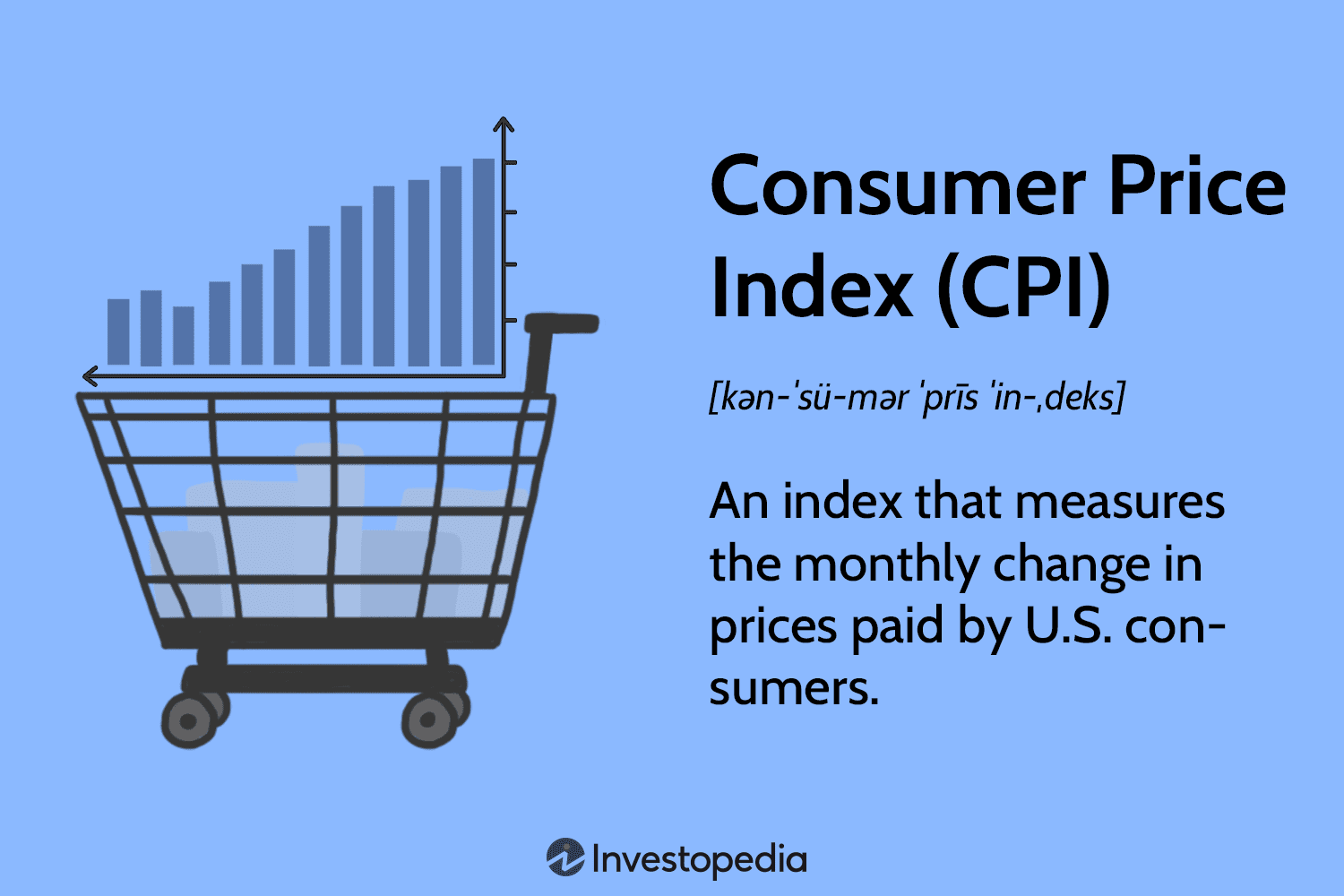
Deploy your trades on inflation-sensitive assets such as commodities or equity ETFs. Use a TechnicalChart to monitor the asset's reaction to the CPI signal. This visual confirmation helps you assess whether the market is pricing in the inflation data as expected, allowing you to adjust your position or take profits accordingly.
This approach shifts the focus from prediction to reaction. By relying on verified data streams, you reduce the lag between economic events and market action. The result is a more disciplined, infrastructure-driven trading strategy that leverages the speed of decentralized finance.
Verify Your Data Sources
Chainlink CCIP is only as reliable as the data it carries. When tracking inflation, relying on unverified oracles for high-stakes financial decisions is risky. Garbage in, garbage out applies to smart contracts just as it does to traditional finance.
Always anchor your CPI data to official sources like the Bureau of Labor Statistics (BLS) or the International Monetary Fund (IMF). These institutions publish the primary data that CCIP oracles should be transmitting. If your oracle source doesn't explicitly cite these primary datasets, treat the data with skepticism.
The Risk of Unverified Oracles
Using an unverified oracle is like building a house on sand. If the data feed is compromised or inaccurate, your DeFi positions or insurance contracts can be liquidated instantly. There is no central bank to bail you out in a decentralized environment.
Ensure your CCIP integration pulls from audited, official data streams. This means checking the oracle provider's documentation to see which government agencies they reference. If they don't, find another provider. Your financial security depends on this verification step.
No comments yet. Be the first to share your thoughts!