Why CPI Data Moves Crypto
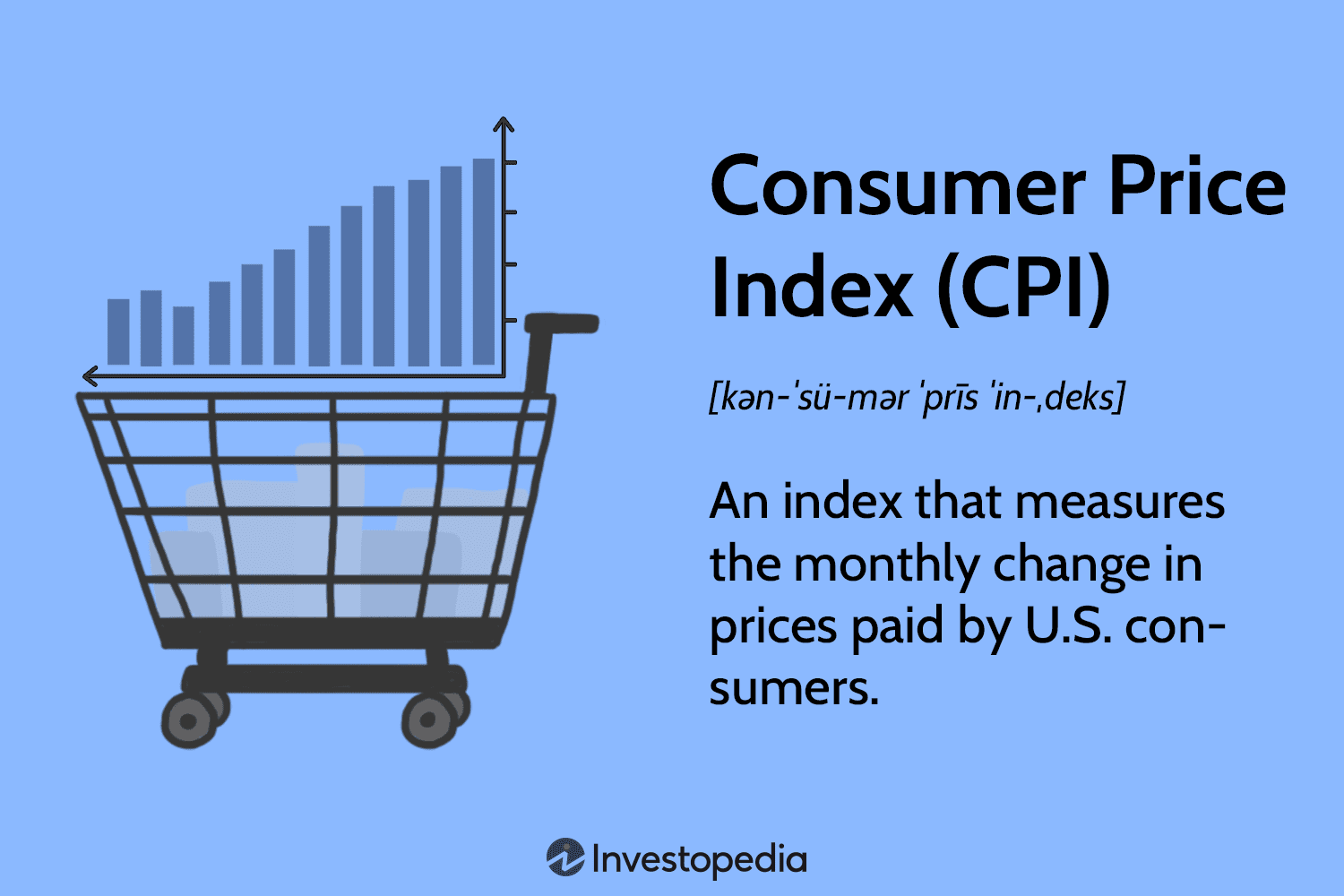
The Consumer Price Index (CPI) is the primary gauge of inflation, published by the U.S. Bureau of Labor Statistics. It tracks the average change over time in the prices paid by urban consumers for a market basket of goods and services [[src-serp-1]]. For crypto traders, this isn't just dry economic data; it is a direct signal of liquidity conditions. When inflation rises, the Federal Reserve typically tightens monetary policy, pulling liquidity from the market. This inverse relationship means CPI data often acts as a trigger for volatility in risk assets like Bitcoin.
When CPI figures come in hotter than expected, bond yields often spike. Higher yields make safe assets more attractive relative to speculative ones. Consequently, capital tends to flow out of crypto and into fixed-income instruments. Conversely, lower-than-expected CPI data suggests inflation is cooling, which can prompt the Fed to pause rate hikes or cut rates. This expectation of increased liquidity usually boosts crypto prices as investors seek higher returns outside of traditional savings accounts.
Understanding this dynamic allows traders to anticipate market moves before they fully materialize. Instead of reacting to price action after the fact, you can position yourself based on the likely Federal Reserve response to inflation data. The key is to monitor the CPI release schedule and analyze the deviation from consensus estimates. A significant miss—whether positive or negative—can set the trend for the week.
For a visual representation of how crypto assets respond to macroeconomic shifts, you can track real-time price movements against broader market indicators.
Track the Release Calendar
Crypto markets react violently to inflation data. A single CPI number can trigger flash crashes or sudden rallies, making timing everything. You need to know exactly when the Bureau of Labor Statistics (BLS) drops the report so you aren't caught off guard.
The BLS releases CPI data on a strict schedule, typically around the 13th of each month for the previous month's data. These dates rarely shift, but holidays or weekends can push the release by a day. Mark these dates in your trading calendar immediately. Treat them as high-volatility windows where standard technical analysis often fails.
Don't rely on third-party summaries. Go directly to the BLS CPI homepage for the official release time, usually 8:30 AM Eastern Time. For a broader view of how CPI fits into the economic cycle, check the FRED economic calendar. Seeing the data in context helps you gauge whether the market has already priced in the inflation trend.
Set alerts for the release moment. Most traders wait for the initial spike to settle before entering positions. Watching the live price movement against the official data point gives you the clearest signal of market sentiment. If you miss the exact minute, wait for the 15-minute candle close to confirm the direction.


As an Amazon Associate, we may earn from qualifying purchases.
Read the Headline and Core Numbers
When CPI data drops, the market doesn't just look at one number. It looks at two. Understanding the difference between headline CPI and core CPI is the first step in interpreting whether the Federal Reserve will tighten or loosen policy.
Headline CPI measures the change in out-of-pocket expenditures for all urban households, including volatile food and energy prices. Core CPI strips out those same categories to reveal the underlying trend in inflation. While headline numbers grab the news cycle, the Fed primarily watches core CPI to gauge persistent price pressures.
The table below breaks down how these two metrics differ in composition and market impact.
| Metric | Includes | Volatility | Fed Priority |
|---|---|---|---|
| Headline CPI | Food, Energy, Goods, Services | High | Short-term signals |
| Core CPI | Goods, Services (excl. Food/Energy) | Low | Long-term policy |
Headline CPI is like a weather report showing today's storm. It tells you what is happening right now, but it can be misleading if a spike in gas prices is temporary. Core CPI is the climate data. It smooths out the noise to show you where prices are actually heading over time. Because the Federal Reserve aims for stable long-term inflation, they adjust interest rates based on the core trend, not the daily headline spike.
When analyzing crypto market moves, pay attention to which number surprises the market. A hot headline CPI with a cool core CPI often leads to a muted reaction. However, if core CPI comes in higher than expected, traders should expect a stronger dollar and potential downside pressure on risk assets like Bitcoin.
Use this chart to see how Bitcoin price action often reacts to core CPI surprises. Look for sharp moves immediately following the core data release, rather than the headline number.
Map CPI Data to Technical Levels
CPI numbers tell you how fast prices are moving, but they don't show you where the market will stop. To trade crypto volatility effectively, you need to overlay official inflation data onto price charts. This bridges the gap between macroeconomic reality and technical support or resistance zones.
Start by pulling the latest Consumer Price Index (CPI) figures from the Bureau of Labor Statistics (BLS) or the St. Louis Fed's FRED database. These are the primary sources for inflation data. Look for the headline number and the core CPI (excluding food and energy) to gauge underlying pressure. When inflation comes in hotter than expected, markets often react with sharp sell-offs. When it cools, relief rallies can follow.
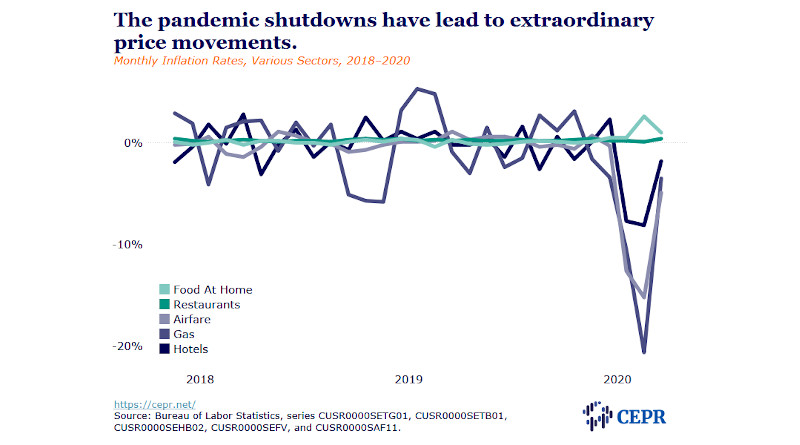
Open your charting platform and mark the exact date and time of the CPI release. These events act as vertical lines of volatility. Notice how price often gaps or spikes immediately after the data drop. These spikes create the initial "noise" that you need to filter out to find the real trend.
Look at the price action in the 24-48 hours leading up to the CPI release. Markets often tighten into a narrow range as traders wait for the data. This consolidation zone becomes a critical reference point. If price breaks above this range after a hot CPI print, it signals strong momentum. If it breaks below, it suggests the market is pricing in future rate hikes.
Use indicators like RSI or MACD to confirm the strength of the move. If CPI data causes a price drop but RSI remains in overbought territory, the selloff might be short-lived. Conversely, if a hot CPI report triggers a breakdown below key support with high volume, the bearish trend is likely to persist. Always wait for the candle to close before making a decision.
This approach turns abstract inflation data into actionable trading levels. By anchoring your analysis to official BLS numbers and visualizing them against technical structure, you remove the guesswork from CPI-driven volatility.
Avoid Common Interpretation Errors
CPI data is raw material, not a finished trade signal. The biggest mistake traders make is reacting to month-over-month noise as if it were a trend. A single month’s spike in energy or used cars often reverses within weeks. Instead, anchor your analysis to the twelve-month year-over-year rate. That metric smooths out seasonal volatility and aligns with how the Federal Reserve views inflation pressure.
The Federal Reserve’s dual mandate focuses on price stability over the long term. When interpreting CPI, always cross-reference the Bureau of Labor Statistics (BLS) release with Federal Reserve guidance. If the Fed is signaling a pause in rate hikes, a temporary CPI uptick is likely irrelevant to your position sizing. Conversely, if the Fed is tightening, even a modest acceleration in core services warrants caution. Ignore the noise; listen to the policy framework.
Using a TechnicalChart widget here helps visualize how CPI releases impact asset prices over time, allowing you to see if historical patterns support your current thesis.
No comments yet. Be the first to share your thoughts!