Why CPI data matters for crypto
The Consumer Price Index is more than a headline number; it is the primary gauge of liquidity conditions that drive digital asset valuations. When inflation runs hot, the Federal Reserve tightens monetary policy, pulling liquidity out of the system. This contraction typically triggers risk-off sentiment, causing speculative assets like Bitcoin and Ethereum to correct. Conversely, cooling inflation often signals potential rate cuts, which historically precedes rallies in crypto markets.
Reliable data is essential because traditional financial infrastructure often lags behind the 24/7 nature of crypto trading. Traders need real-time, accurate macroeconomic inputs to hedge exposure or capitalize on market inefficiencies. Chainlink CCIP addresses this by providing secure, cross-chain access to authoritative CPI data from sources like the Bureau of Labor Statistics.
This integration allows decentralized applications to react to macroeconomic shifts instantly. Without this bridge, DeFi protocols and trading platforms operate on stale or fragmented information, increasing the risk of mispricing and liquidation cascades. Accurate CPI feeds ensure that smart contracts reflect the true state of the macroeconomic environment.
The Problem with On-Chain CPI Data
On-chain CPI feeds often suffer from significant latency, meaning the data displayed on a dashboard might be hours or even days old. In traditional markets, this delay is manageable, but in decentralized finance, where leverage is high and positions can be liquidated in seconds, stale data is a liability. Relying on outdated consumer price indices exposes traders to slippage and inaccurate risk assessments, turning what should be a stable reference point into a moving target.
Fragmentation is the second major hurdle. Different oracles may source CPI data from various national statistical agencies, each with different release schedules and methodologies. This lack of standardization creates a fragmented landscape where no single on-chain feed offers a unified, globally consistent view. Traders are left guessing which data source is the most relevant for their specific cross-chain strategy, leading to potential mispricing across different protocols.
Trust remains the final, critical issue. Traditional CPI data is centralized, produced by government bodies, and subject to revision. Translating this authoritative but slow-moving data onto a blockchain introduces a trust bottleneck. If the oracle mechanism fails to verify the integrity of the source or if the data is manipulated during the bridge, the entire financial position built on that index collapses. Without a secure, real-time bridge like Chainlink CCIP, on-chain CPI data remains a compromised asset rather than a reliable tool.
How CCIP connects to official sources
Chainlink CCIP (Cross-Chain Interoperability Protocol) solves the trust gap between smart contracts and real-world data. It acts as a secure relay, moving information from off-chain environments—like government servers—into on-chain logic without exposing the underlying infrastructure to direct attack.
The process begins with the data source. For CPI, this is the U.S. Bureau of Labor Statistics (BLS). The BLS publishes official inflation indexes on a monthly schedule. These numbers are not just market sentiment; they are legal benchmarks used to adjust federal tax brackets, government assistance eligibility, and Treasury Inflation-Protected Securities (TIPS) payouts.
CCIP does not scrape the web. It connects to verified oracle nodes that monitor these official primary sources. When the BLS releases a new CPI report, the oracle nodes validate the data against the published PDF or API endpoint. This validation ensures that the number entering the blockchain is the exact same number published by the government.
Once validated, CCIP packages the data into a secure message. This message travels across chains using a decentralized network of relayers and verifiers. Each node independently checks the data’s integrity. If even one node rejects the message due to a mismatch with the official source, the transaction fails. This multi-layer verification is what makes the data trustable for high-stakes financial applications.
This architecture ensures that the data feeding your smart contracts is immutable and auditable. It removes the need to trust a single oracle provider. Instead, you rely on a decentralized network that has cryptographically proven the data matches the official government record.
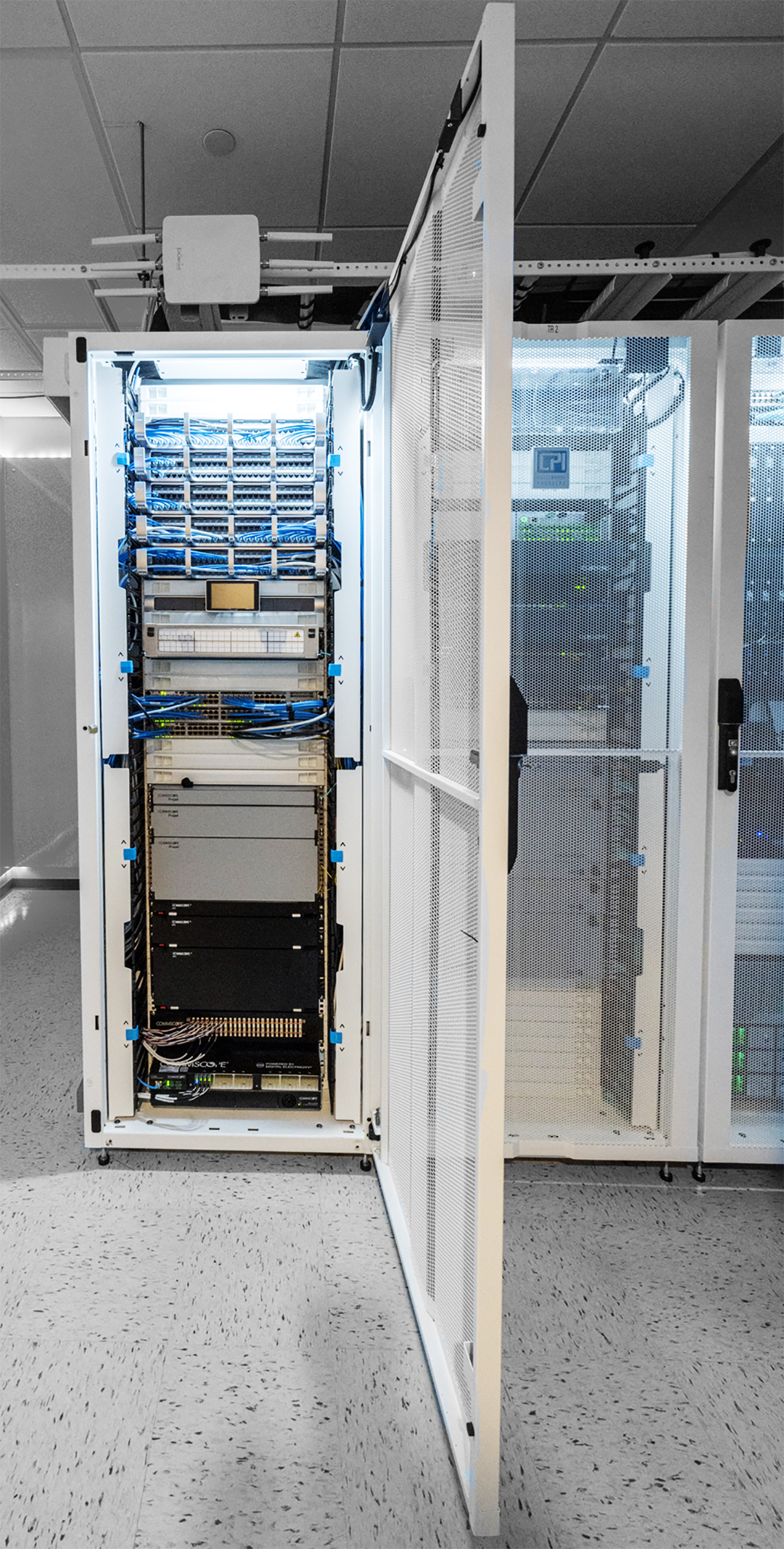
The reliability of this chain is critical. If the link between the BLS and the blockchain is broken or manipulated, the entire financial instrument built on top of it becomes worthless. CCIP’s design prioritizes this integrity over speed, ensuring that the data is correct before it ever reaches your contract.
Building a CPI Strategy with Live Feeds
Integrating Chainlink CCIP for cross-chain market data isn’t just about connecting wallets; it’s about securing the truth of your price oracles across fragmented liquidity. For high-stakes trading or risk management, latency and data integrity are your only shields against arbitrage attacks and liquidation cascades. You need a strategy that prioritizes reliability over speed alone.
Before writing a single line of code, map out exactly which CPI indices or asset prices you need. Are you building a stablecoin collateralization engine requiring sub-second updates, or a weekly rebalancing vault that can tolerate five-minute intervals? Define your acceptable deviation thresholds. If your strategy relies on cross-chain arbitrage, you must account for the additional latency introduced by CCIP message passing compared to native L1 oracles.

Not all Chainlink data feeds are available on every network via CCIP. Consult the Chainlink documentation to verify which CPI-related data sources (such as traditional finance indices or crypto benchmarks) are currently supported on your target chains. Ensure the source chain and destination chain are both part of the CCIP interop ecosystem. Mismatched endpoints are the most common point of failure in cross-chain oracle setups.
In high-stakes finance, a single failed oracle update can trigger catastrophic liquidations. Your smart contract must include fallback mechanisms. If the CCIP message fails or arrives with stale data, your protocol should pause trading or switch to a secondary, less efficient but more reliable data source. Never assume the oracle will always be available. Use require statements with clear error messages to halt execution if data integrity checks fail.

Deploy your integration to a testnet that mimics mainnet conditions. Use tools like Foundry or Hardhat to simulate network delays and message failures. Verify that your contract correctly parses the CCIP payload and updates the internal state without reentrancy vulnerabilities. This step is non-negotiable for any system handling significant value.
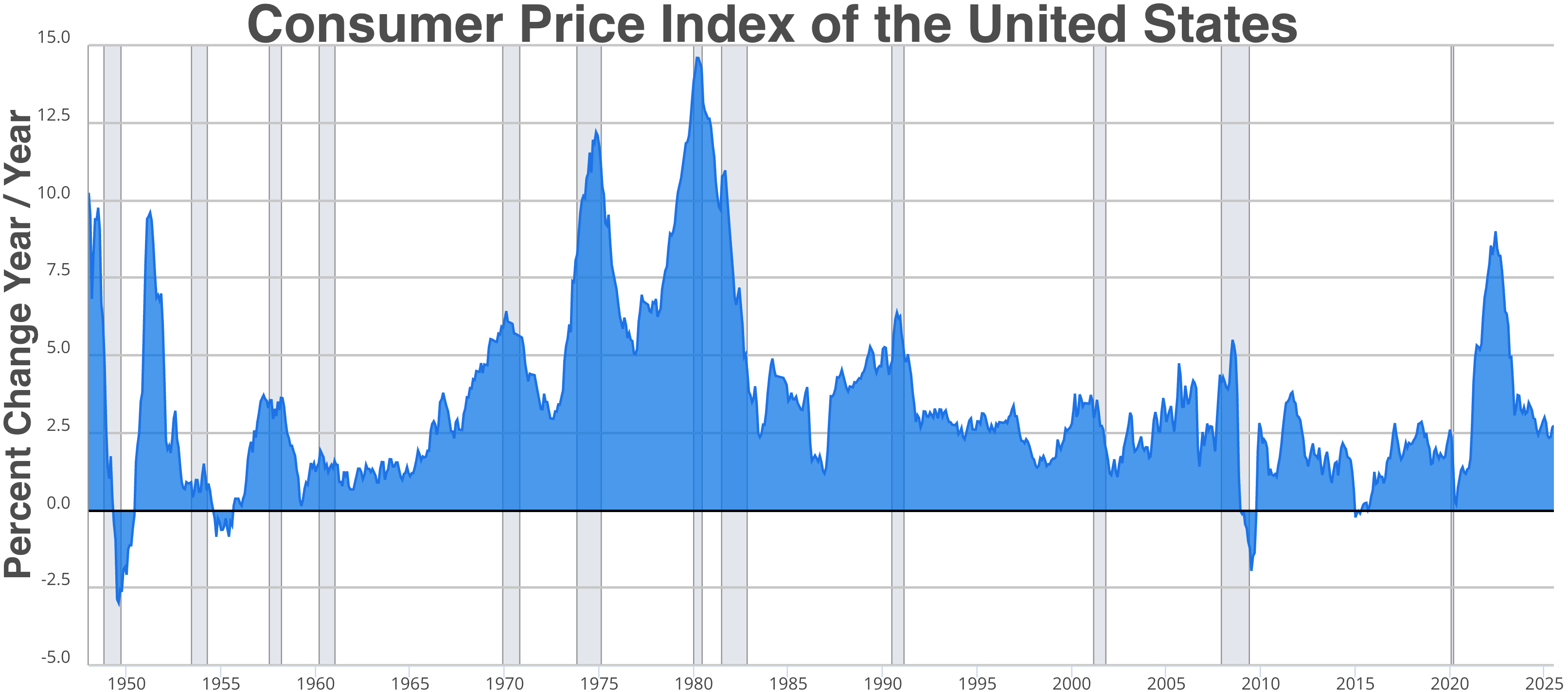
The visual above represents the kind of market volatility your CPI strategy must withstand. Notice the sharp drops; without accurate, real-time cross-chain data, your risk management algorithms would have reacted too late. Always pair your oracle integration with strict position sizing and stop-loss mechanisms. The technology provides the data, but your strategy provides the safety.
Comparing data providers for CPI
Accessing Consumer Price Index data requires choosing between centralized APIs and decentralized oracle networks. The choice impacts latency, cost, and trust assumptions. Direct API access offers speed but introduces single points of failure. Decentralized networks like Chainlink CCIP provide redundancy at the cost of higher complexity.
The table below contrasts these approaches across critical metrics. Traditional providers excel in raw speed, while oracle networks prioritize censorship resistance and data availability.
| Provider Type | Latency | Cost | Trust Model |
|---|---|---|---|
| Centralized API | Low | Low | Single Point of Failure |
| Chainlink CCIP | Medium | Medium | Decentralized Network |
| Hybrid Oracle | Low-Medium | High | Multi-Source Aggregation |
For high-stakes financial applications, the trust model often outweighs raw speed. A single API outage can halt trading or cause erroneous settlements. Decentralized oracles mitigate this risk by aggregating data from multiple sources, ensuring continuity even if one provider fails.
No comments yet. Be the first to share your thoughts!