Why real-time CPI data matters
The Consumer Price Index (CPI) is the primary gauge for inflation that drives monetary policy, adjusts government benefits, and recalibrates federal tax brackets. For investors and businesses, understanding this metric is essential for navigating economic shifts. However, relying on traditional reporting methods introduces a significant blind spot: time.
The Bureau of Labor Statistics (BLS) releases CPI data with a deliberate lag. While the data is meticulously compiled, the typical release cycle means that by the time the official index is published, the economic conditions it describes may have already shifted. This delay can leave decision-makers reacting to the past rather than responding to the present.
This latency creates a gap between economic reality and reported data. In an environment where central banks adjust interest rates based on inflation trends, even a few weeks of outdated information can impact asset pricing and strategic planning. Access to real-time inflation indicators allows for more agile responses to changing price dynamics, reducing the risk of acting on stale data.
For those building infrastructure around inflation tracking, the goal is to bridge this gap. By leveraging tools like Chainlink CCIP, it becomes possible to integrate near-instantaneous data feeds that complement official reports. This approach does not replace the BLS but provides a continuous layer of visibility, ensuring that financial decisions are grounded in the most current data available.
How Chainlink CCIP connects CPI data
Chainlink CCIP acts as a secure bridge, moving Consumer Price Index data from off-chain government sources directly onto blockchain networks. Instead of relying on a single oracle node to guess inflation rates, CCIP uses a decentralized network of independent node operators. This setup ensures that the data arriving on-chain is accurate, tamper-proof, and ready for smart contracts to use immediately.
The process begins when a request is made on-chain for the latest CPI figures. Chainlink nodes fetch this data from official sources like the BLS or the International Monetary Fund. They verify the information against standardized formats, such as those outlined in the IMF's CPI Manual, before packaging it into a secure message. This verification step is critical because it filters out noise and ensures the data reflects real-world economic conditions rather than speculative estimates.
Once verified, the data is wrapped into a CCIP message and sent across the target blockchain. The receiving contract validates the message using Chainlink's cross-chain verification mechanism. This guarantees that the CPI data hasn't been altered during transit. By using this infrastructure, developers can build DeFi applications, insurance products, or economic models that react to real-time inflation without needing to trust a single point of failure.
A smart contract emits a request for the latest Consumer Price Index data. This request includes the specific CPI variant needed, such as core or headline inflation, and specifies the desired update frequency. The network acknowledges this request, preparing the decentralized oracle nodes to act.

Independent Chainlink nodes retrieve the latest CPI figures from official government APIs. They cross-reference these figures with standardized methodologies to ensure consistency. This step involves aggregating data from multiple sources to eliminate bias or single-source errors, ensuring the data is robust before it leaves the off-chain environment.

The verified CPI data is packaged into a CCIP message. This message is encrypted and signed by the node operators. CCIP then routes this message through its secure cross-chain protocol, ensuring that the data arrives at the destination blockchain exactly as it was verified, without interception or modification.

The destination smart contract receives the CCIP message and validates the cryptographic proofs. Once verified, the contract automatically updates its internal state with the new CPI value. This allows applications to instantly adjust interest rates, collateral factors, or payout structures based on the latest inflation data.
Setting up the CPI infrastructure
Integrating real-time inflation data into a Web3 application requires a reliable pipeline between traditional economic indicators and on-chain smart contracts. The Consumer Price Index (CPI) is not a single live ticker; it is a monthly statistical release compiled by national bodies. To use this data for smart contract logic, you must bridge this gap using Chainlink CCIP, which ensures the data remains tamper-proof as it moves from off-chain oracles to your blockchain environment.
The setup process involves three distinct phases: selecting the correct data source, configuring the Chainlink node, and deploying the integration contract. Because CPI data changes infrequently but carries high stakes for financial accuracy, your infrastructure must prioritize data integrity over raw speed. You are essentially building a bridge between the physical economy and the digital ledger.
The CPI Data Pipeline
Before writing any code, you need to understand the data flow. Traditional CPI data is published in static PDFs or CSV files by government agencies. Chainlink oracles aggregate this data, verify its authenticity against official sources, and then transmit it via CCIP to your smart contract. This ensures that your application is reacting to verified economic reality, not unverified social media claims or delayed third-party aggregators.
Required Components
To build this infrastructure, you will need the following components:
- Chainlink CCIP Enabled Chain: Ensure your target blockchain supports CCIP for cross-chain data transfer.
- Oracle Node: A configured Chainlink node that can fetch and verify CPI data from approved sources like the BLS or IMF.
- Smart Contract Interface: A Solidity contract that includes the
ChainlinkClientinterface and can decode the incoming CPI data feed. - Data Feed Selector: A mechanism to choose between different CPI variants (e.g., Core CPI vs. Headline CPI) based on your specific use case.
Verification and Testing
Once the components are in place, rigorous testing is essential. Because CPI data is used for high-stakes financial decisions, you must test your integration against historical CPI releases to ensure your contract correctly parses the data. Use testnets to simulate the data feed before deploying to mainnet. This step prevents costly errors where your application might misinterpret a data update or fail to trigger a required action due to latency or formatting issues.
Analyzing CPI trends with on-chain tools
Traditional CPI data arrives with a lag, often leaving market participants reacting to yesterday’s news. By integrating Chainlink CCIP, you can access real-time inflation metrics that update as economic indicators shift. This immediacy transforms how traders and institutions approach market analysis, allowing for strategies that react to inflationary pressure before it fully impacts traditional financial markets.
Real-Time Market Analysis
Standard CPI reports are backward-looking. On-chain tools provide a continuous stream of data, enabling algorithms to adjust positions based on current inflationary trends rather than historical averages. This reduces the risk of exposure during volatile periods when inflation data causes sharp market swings. Traders can monitor deviations from expected inflation rates in real time, offering a tactical advantage in derivatives and commodity markets.
TIPS Hedging Strategies
Treasury Inflation-Protected Securities (TIPS) adjust their principal value based on CPI changes. By linking on-chain data to TIPS protocols, investors can automate hedging strategies that respond instantly to inflation spikes. This ensures that portfolio protection is always aligned with the most current economic reality, rather than waiting for monthly government releases. The TreasuryDirect API provides official CPI data, which Chainlink oracles can verify and feed into smart contracts for precise adjustment.
Inflation-Protected Asset Allocation
Real-time CPI data allows for dynamic asset allocation across inflation-resistant assets. Instead of static quarterly rebalancing, portfolios can shift weights between commodities, real estate, and cash equivalents based on immediate inflation signals. This agility helps preserve purchasing power during unexpected economic shifts. The ability to access verified, official CPI data on-chain ensures that these decisions are grounded in accurate, transparent information.
| Metric | Traditional CPI Tracking | Chainlink-Enabled Tracking |
|---|---|---|
| Update Frequency | Monthly (BLS Release) | Real-time / Near-real-time |
| Data Source | Bureau of Labor Statistics | BLS via Chainlink Oracles |
| Latency | Days to Weeks | Minutes to Seconds |
| Automation Potential | Low (Manual Review) | High (Smart Contract Integration |
The shift from static, delayed data to dynamic, on-chain inflation metrics represents a significant evolution in financial infrastructure. By leveraging Chainlink CCIP, users gain access to a more responsive and transparent view of inflation, enabling smarter, faster, and more resilient investment strategies.
Recommended CPI data tools
Building a reliable CPI guide requires more than just reading the headlines. You need infrastructure that connects official data sources, like the BLS or the IMF, directly to your Chainlink CCIP integration. The right tools reduce latency and ensure your smart contracts are reacting to verified, tamper-proof inflation metrics rather than raw, unverified web scrapes.
To support this infrastructure, you will need reliable hardware for node operation and software for data validation. Below are essential tools for handling CPI data securely.
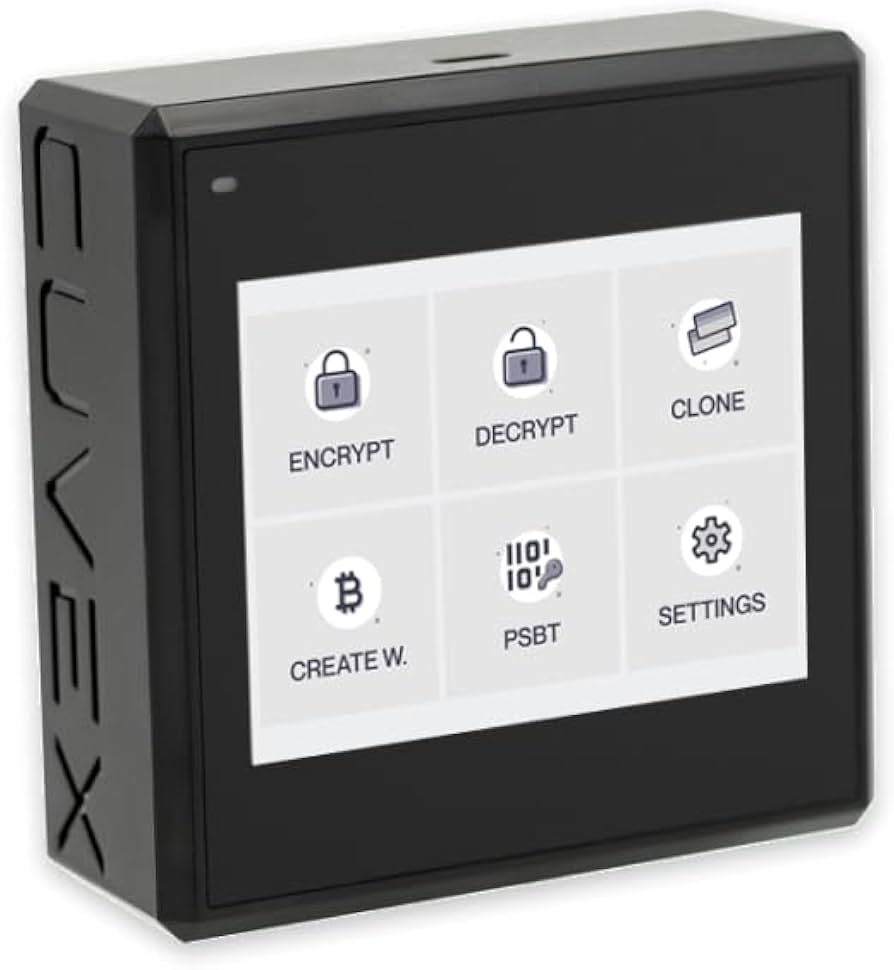


As an Amazon Associate, we may earn from qualifying purchases.
These components form the backbone of a resilient CPI data pipeline. By securing your physical nodes and ensuring stable network throughput, you minimize the risk of data corruption or downtime during critical inflation report releases. This setup allows your Chainlink oracles to fetch and deliver CPI indices with the precision required for high-stakes financial applications.
Frequently asked questions about CPI data
Understanding how Consumer Price Index figures are generated and accessed is essential for accurate inflation tracking. The BLS publishes these metrics on a strict schedule, ensuring that developers and analysts have reliable data points for their models.
These variations help policymakers tailor economic strategies. When integrating this data into Chainlink CCIP pipelines, ensure you are pulling from the correct index variant to match your specific use case.
No comments yet. Be the first to share your thoughts!