Defining cpi infrastructure in 2026
The term "CPI infrastructure" carries a double meaning that can confuse even seasoned analysts. In project management, it refers to the Cost Performance Index—a critical metric for tracking whether construction projects are staying within budget. In macroeconomic analysis, it stands for the Consumer Price Index, the primary gauge of inflation that dictates how capital flows through the broader economy.
The Cost Performance Index in engineering is computed by dividing the Budgeted Cost for Work Performed (BCWP) by the Actual Cost of Work Performed (ACWP). A ratio below 1.0 signals that a project is over budget, while a ratio above 1.0 indicates cost efficiency. This metric is not just a number; it is a real-time health check for capital projects.
However, project managers cannot control the macroeconomic forces that drive material prices. The Consumer Price Index, specifically the Construction Cost Index (CCI), provides the external context for these internal metrics. When the CPI rises, so does the cost of labor and materials, making accurate forecasting essential. Understanding both indices allows investors and managers to distinguish between poor project execution and unavoidable market inflation.
Tracking CPI Strategy with Live Market Data
Understanding the Cost Performance Index (CPI) in infrastructure requires more than theoretical budgeting; it demands real-time visibility into the market forces that drive project costs. When inflation rises, the gap between budgeted and actual costs widens, making live data essential for maintaining project viability. By monitoring key infrastructure assets and materials, you can anticipate cost overruns before they derail your schedule.
The relationship between inflation and infrastructure assets is direct. As noted by ClearBridge, inflation acts as a pass-through for these assets, meaning valuations often adjust to reflect rising input costs. However, this adjustment isn't automatic. You need to track the underlying commodities and ETFs that represent your project's material and labor costs to see if your CPI strategy is holding up against market volatility.
To keep your infrastructure analysis grounded, we use provider-backed widgets for live market data. This ensures you are viewing current, accurate figures rather than stale estimates. The following chart tracks the PAVE ETF, a common proxy for the broader infrastructure sector, allowing you to visualize long-term trends alongside short-term inflation spikes.
For immediate cost context, consider the current price of key infrastructure materials. These live widgets provide the exact figures you need to update your Earned Value Management (EVM) calculations. If you are tracking specific commodities like steel or concrete, ensure your data sources are updated daily to reflect the true cost of work performed (ACWP).
Essential cpi tools for project analysis
Tracking the Cost Performance Index (CPI) requires more than just a spreadsheet. You need a system that captures Earned Value Management (EVM) data in real time. When infrastructure projects face supply chain volatility or labor shortages, manual tracking falls behind. The right software turns raw cost data into actionable efficiency metrics.
The foundation of any CPI infrastructure analysis is a robust Earned Value Management (EVM) tool. These platforms calculate CPI automatically by comparing Budgeted Cost for Work Performed (BCWP) against Actual Cost of Work Performed (ACWP). A CPI above 1.0 means you are under budget; below 1.0 signals a cost overrun. Choosing the right tool depends on your project scale and team size.
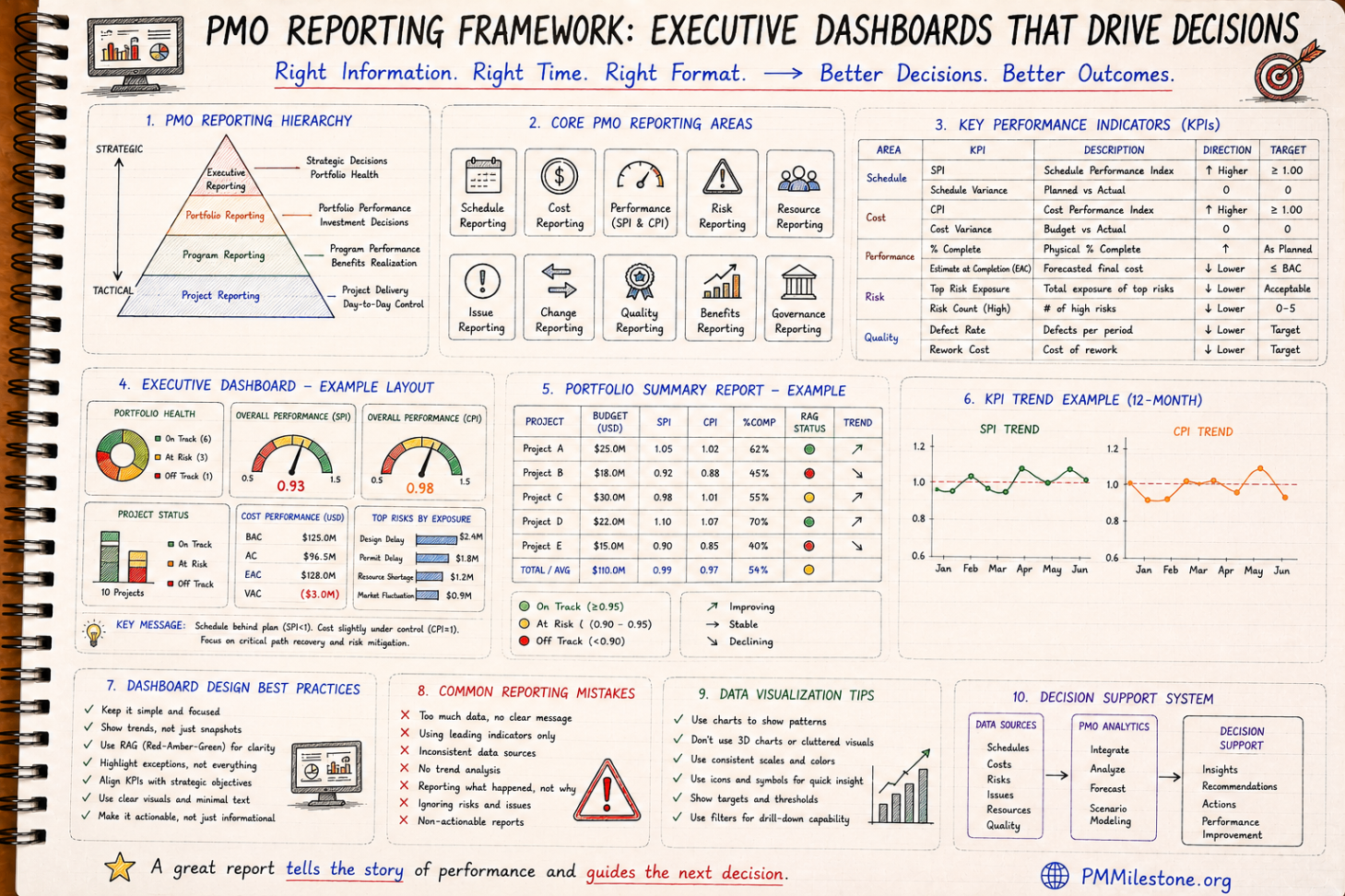
For teams managing multiple large-scale infrastructure projects, enterprise-grade solutions offer the most comprehensive data integration. These platforms connect directly to accounting software and field reporting tools, ensuring your CPI calculations reflect current reality rather than last week’s estimates. They provide the depth needed for complex public works or utility projects where cost variance can quickly escalate.
For smaller contractors or specialized inspections, lightweight project management tools with EVM plugins are often sufficient. These solutions are easier to deploy and require less training. Look for tools that allow you to set baseline budgets and track actuals against planned value without overwhelming your team with unnecessary features.
| Tool Type | Best For | CPI Tracking Feature |
|---|---|---|
| Enterprise EVM (e.g., Primavera P6) | Large infrastructure & public works | Automated BCWP/ACWP calculation with resource leveling |
| Mid-market PM Software (e.g., Procore) | General contractors & builders | Dashboard widgets for cost variance & budget burn rate |
| Lightweight Plugins (e.g., MS Project + EVM add-ons) | Small firms & specialized inspections | Manual or semi-automated index calculation per task |
If you are building your analysis toolkit from scratch, investing in the right educational resources or specialized software subscriptions can pay off. The following products are commonly used by infrastructure professionals to streamline their cost performance tracking and reporting processes.


As an Amazon Associate, we may earn from qualifying purchases.
Ultimately, the tool matters less than the discipline of data entry. Even the most sophisticated CPI infrastructure platform will fail if field data is delayed or inaccurate. Prioritize tools that simplify data collection from the ground up, ensuring your Cost Performance Index reflects the true state of your project.
Analyzing cpi market research trends
CPI Infrastructure Playbook works best as a clear sequence: define the constraint, compare the realistic options, test the tradeoff, and choose the path with the fewest hidden costs. That order keeps the advice usable instead of decorative. After each step, pause long enough to check whether the recommendation still fits the reader's actual situation. If it depends on perfect timing, unusual access, or a best-case budget, include a simpler fallback.
The simplest way to use this section is to write down the real constraint first, compare each option against it, and choose the path that still works outside ideal conditions.
Common questions about cpi infrastructure
Understanding the specific terminology around cpi infrastructure helps separate general economic indicators from the project management metrics that actually drive construction budgets. Here are the most frequent questions readers ask when planning capital projects.
No comments yet. Be the first to share your thoughts!